


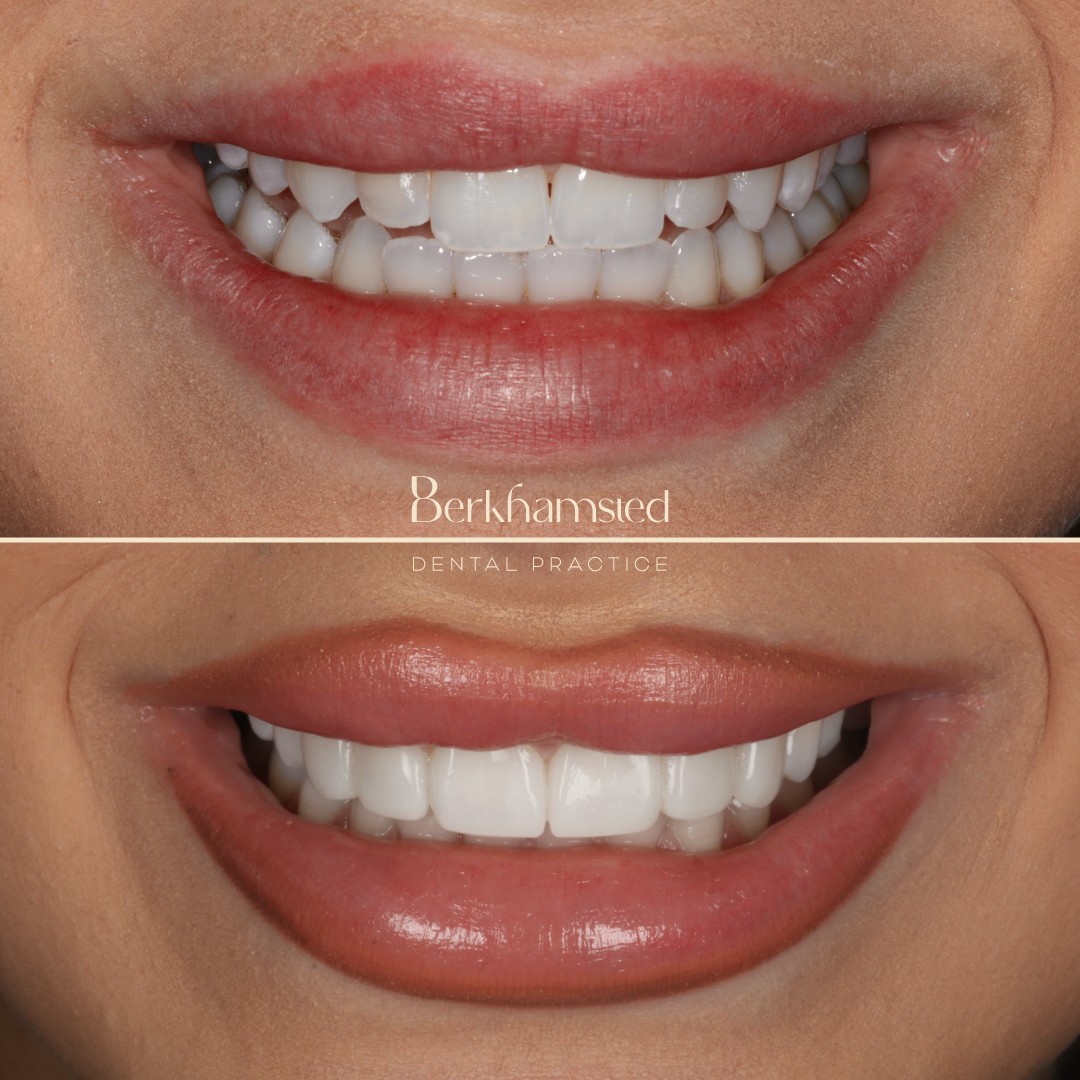
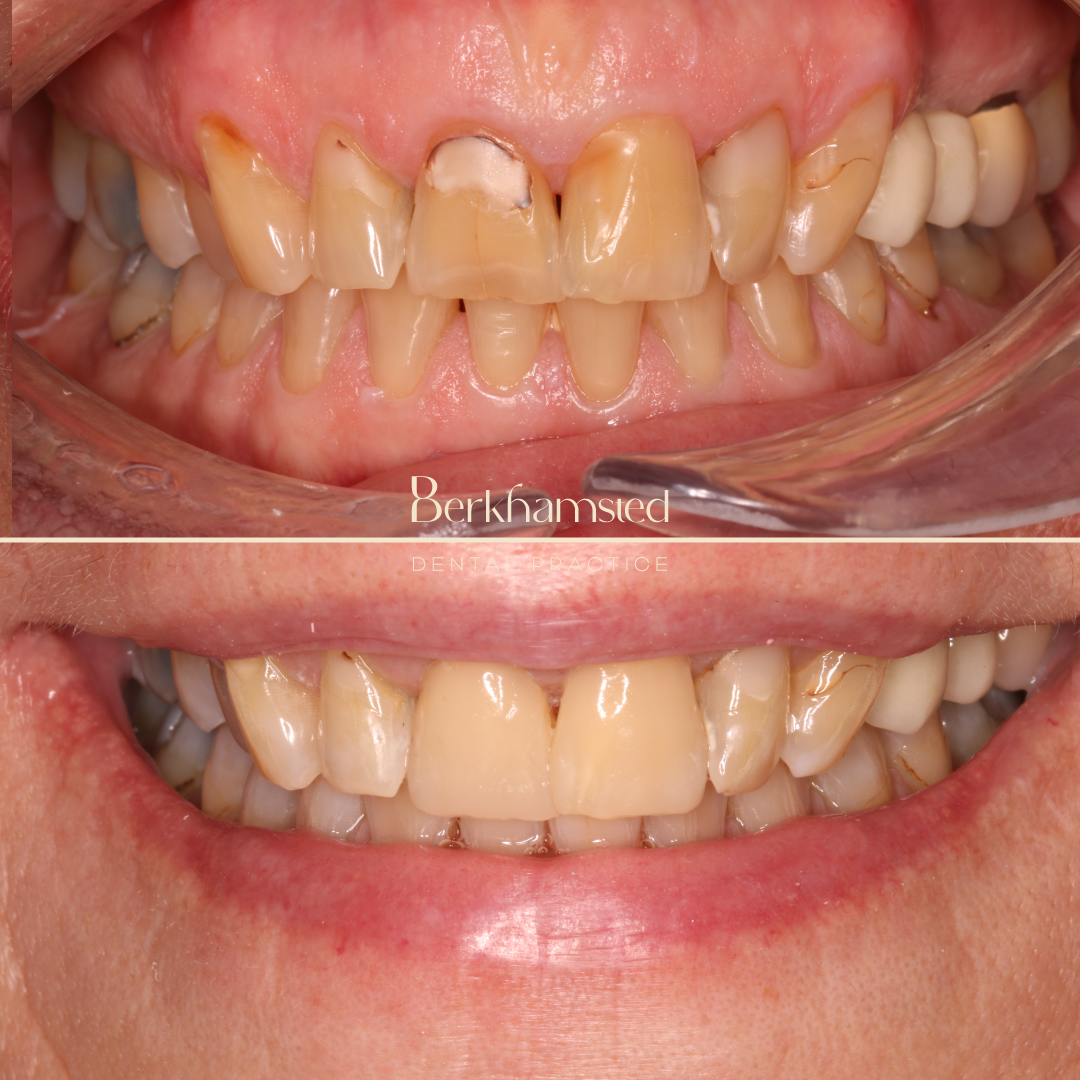
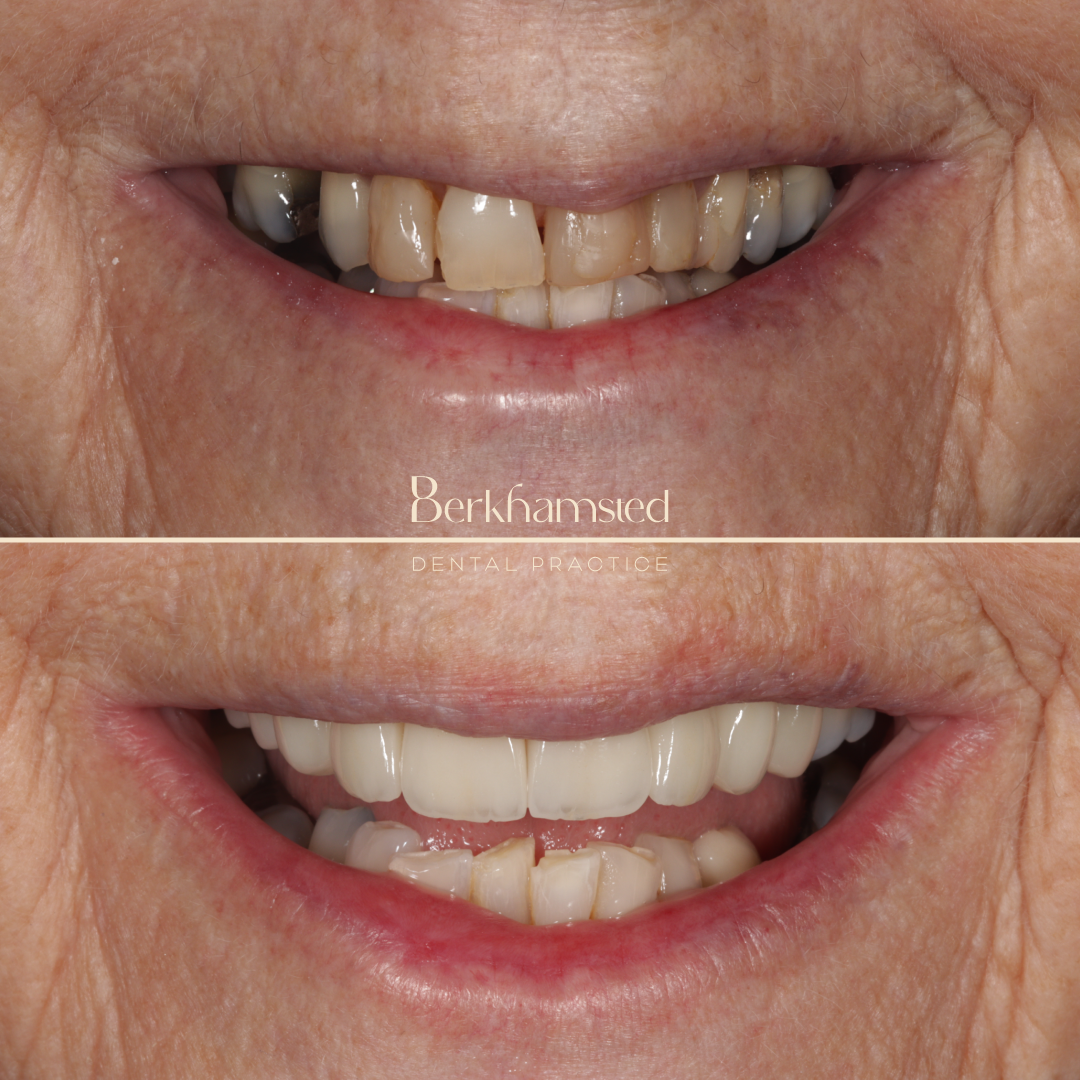
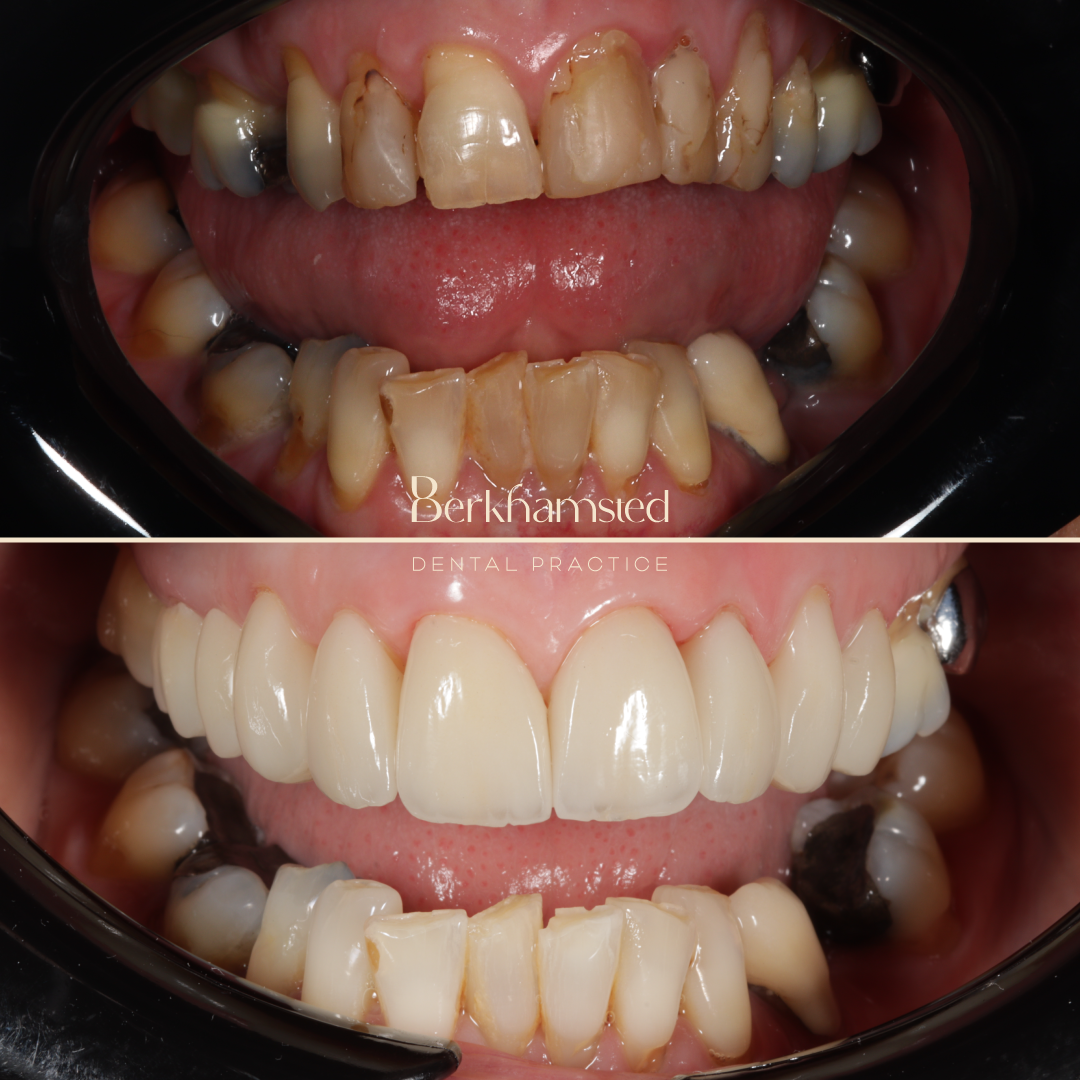
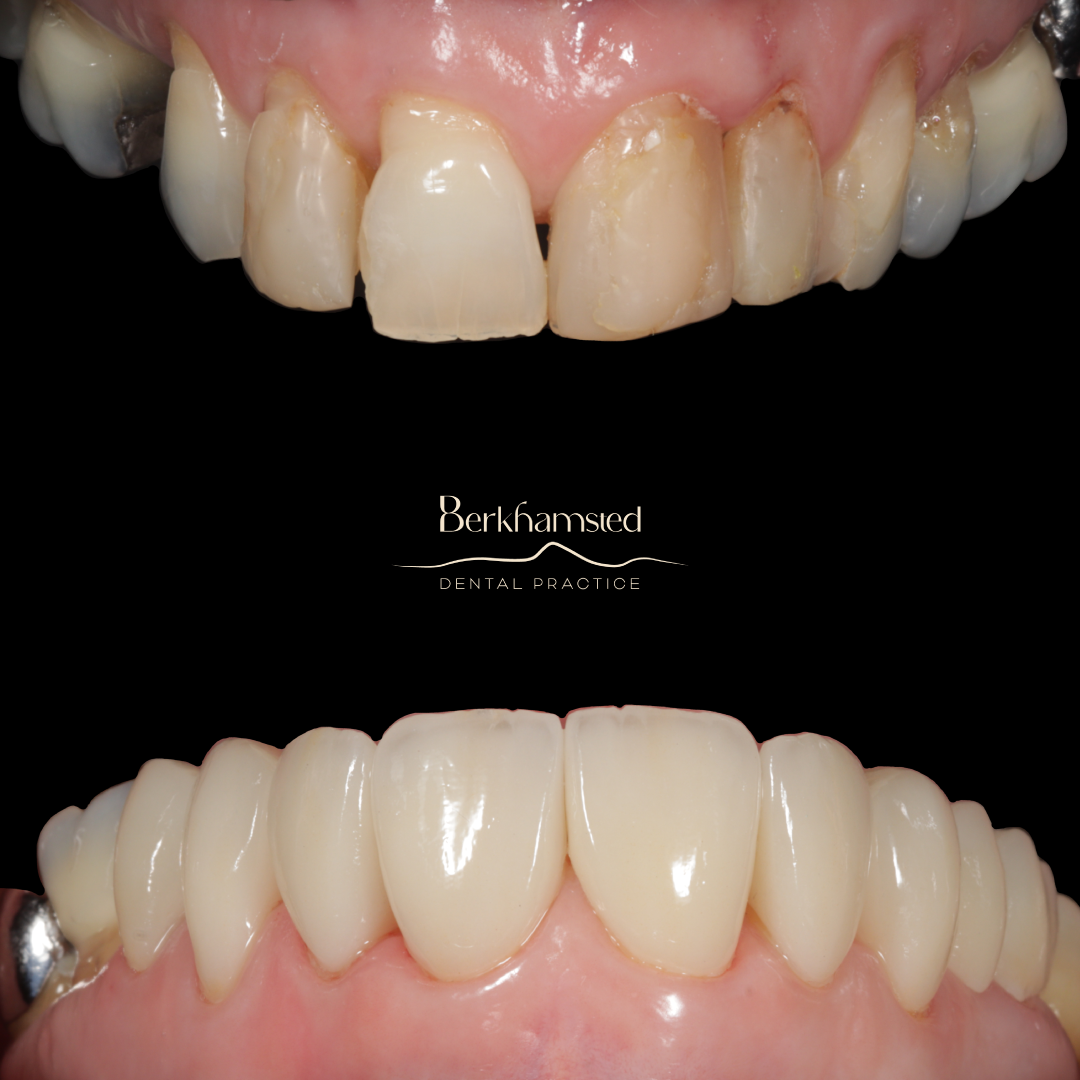
Crafted in a specialist laboratory to precise specifications, porcelain veneers offer the most lifelike, durable and long-lasting cosmetic result available. Thin yet strong, they resist staining and replicate the translucency of natural enamel with remarkable fidelity. Porcelain veneers require minimal preparation of the tooth surface, a small, long-lasting reduction of enamel and are designed to last fifteen years or more with good care.
Best for: Patients seeking the most premium, long-lasting cosmetic result; significant colour change; multiple teeth transformed simultaneously.
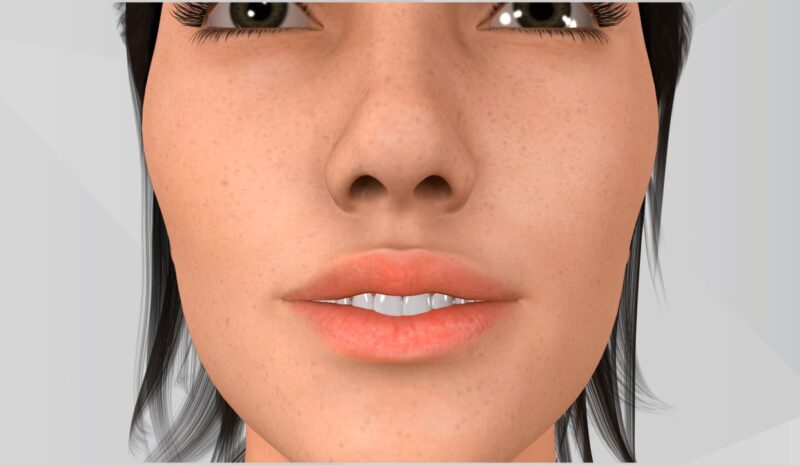
Applied directly to the tooth in a single chair-side appointment, composite veneers offer a faster, more reversible route to a transformed smile. Little or no tooth preparation is required, which means the process is fully reversible. While composite does not replicate the optical quality of porcelain quite as closely, in skilled hands the results are beautiful, and the speed and flexibility of the treatment make it a compelling choice for many patients.
Best for: Patients wanting a quicker result or a reversible first step; single teeth; younger patients; patients considering porcelain veneers in future.

The most important thing we do in a veneer consultation is listen. We ask what you would like to change and, just as importantly, what you would like to keep. Because the most beautiful veneer results are not the ones that look the most dramatically different. They are the ones that look unmistakably like you, only better.
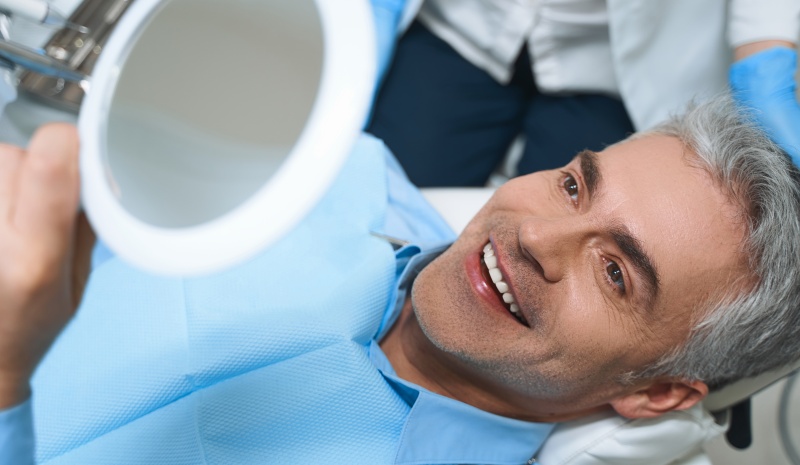


Veneer fees depend on whether you choose porcelain or composite, the number of teeth being treated, and the complexity of your individual smile design. In all cases, a full treatment plan and fee breakdown will be provided at your consultation before any work begins.

In skilled hands, porcelain veneers are virtually indistinguishable from natural teeth, they are shade-matched individually, designed to the correct proportions for your face, and crafted from materials that replicate the optical quality of natural enamel.
The goal is always a result that enhances your smile without drawing attention to itself.
Porcelain veneers require a small, long-lasting reduction of the tooth’s enamel surface during preparation; this cannot be reversed, which is why the consultation and planning process is so important.
Composite veneers, by contrast, involve little or no tooth preparation and are fully reversible. Your dentist will explain the implications of each option clearly before you make any decision.
Porcelain is highly stain-resistant; it does not absorb colour the way natural enamel can. Composite is somewhat more susceptible to staining over time, particularly from coffee, red wine, and smoking.
Good hygiene habits and regular professional cleaning help significantly with both.






Whether you’re booking your first appointment, have a question about our treatments, or simply want advice on your dental care — our friendly team is here to help.


