


Gum health is assessed at every routine check-up, without exception, and our trained hygiene team offers targeted treatment for all stages of gum disease. Early detection means simpler treatment and better outcomes, and we have a specialist referral network for complex or advanced cases.
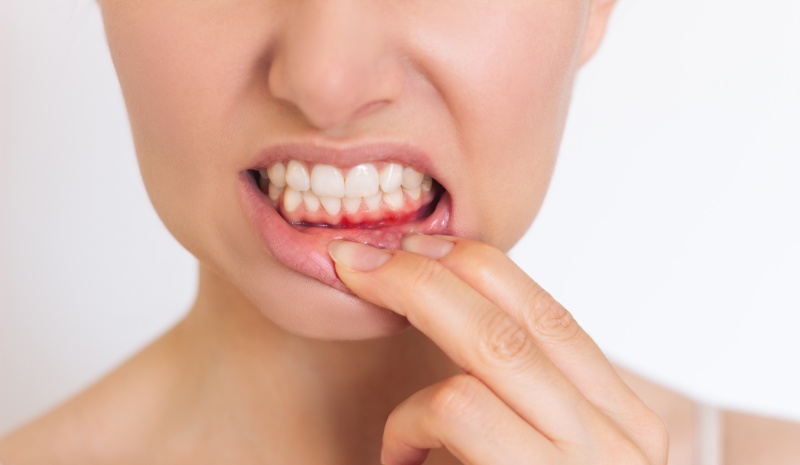
Gums that bleed when you brush or floss are one of the earliest and most reliable signs of gingivitis. Bleeding gums are never normal and should always be investigated.
Healthy gums are pale pink and firm. Redness, puffiness or tenderness around the gumline is a sign of inflammation and warrants attention.
If your teeth appear longer than they used to or if you notice gaps forming between the teeth and gumline, gum recession may have begun. This is a sign that periodontitis may be present.
Halitosis that does not resolve with normal brushing can be a sign of bacterial activity below the gumline, a common feature of gum disease.
In more advanced cases, teeth may feel loose or begin to move. This indicates that the supporting bone has been affected and requires prompt attention.


The cost of gum disease treatment depends on the stage of the condition and the treatment required. Hygiene appointments are the foundation of most gum disease treatment.
A full treatment plan and fee breakdown will be provided before any work begins.

No. Bleeding gums are one of the most common early signs of gum disease, but they are not something to accept as normal. Bleeding is a sign that your gums are inflamed and that bacteria are present below the gumline.
The good news is that at this stage, the condition is almost always reversible with a professional clean and improved home care. We would always encourage you to book an appointment rather than waiting to see if it settles on its own.
Yes. There is well-established evidence linking gum disease to several wider health conditions, including heart disease, type 2 diabetes, respiratory conditions, and complications in pregnancy.
The link is thought to be related to chronic inflammation and the spread of bacteria from the mouth into the bloodstream. Treating gum disease is not just about protecting your teeth: it is an investment in your general health.
In its advanced form, yes. Periodontitis damages the bone and connective tissue that hold teeth in place. If left untreated for long enough, teeth can become loose and ultimately be lost.
This is why early treatment matters: the earlier gum disease is caught and addressed, the lower the risk to your teeth in the long term.
Hygiene appointments are generally comfortable. Root surface debridement involves working below the gumline, so local anaesthetic is used to ensure you do not feel discomfort during the procedure.
Mild tenderness or sensitivity in the days afterwards is normal and settles quickly. Our hygienists are experienced in putting patients at ease and will check in with you throughout any treatment.
This depends on the stage and extent of your gum disease. Mild gingivitis may resolve after one or two hygiene appointments combined with improved brushing and flossing at home.
More advanced periodontitis may require a course of root surface debridement appointments followed by a review. Your dentist or hygienist will give you a clear treatment plan with realistic timelines at your first appointment.
It can, which is why ongoing maintenance is so important. Once your gums are stable, we will recommend a personalised schedule of hygiene visits to keep the condition under control.
Patients who have had gum disease are generally advised to see the hygienist more frequently than average, typically every three to four months, to prevent recurrence.
We will also work with you on your home care routine to give you the best chance of keeping your gums healthy between visits.






Whether you’re booking your first appointment, have a question about our treatments, or simply want advice on your dental care — our friendly team is here to help.


